What Does a Consumer Protection Lawyer Do?
Attorney advertising. If a product or service has left you with unanswered questions, a consumer protection lawyer may help evaluate the issue and explain what legal paths could be available. This California-focused overview describes the kind of work a lawyer may do; it is general information, not legal advice or a conclusion about any particular dispute.
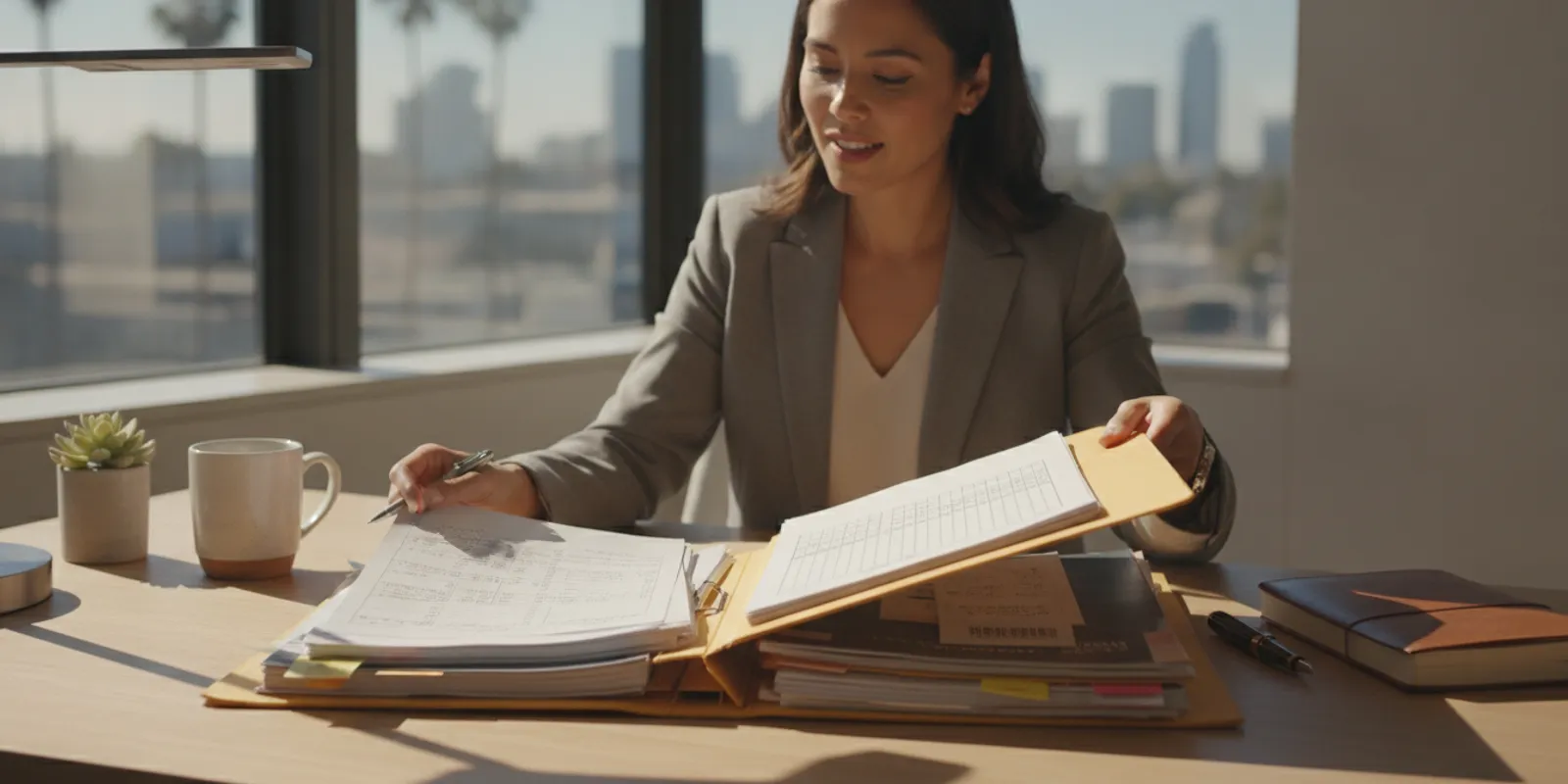
What does a consumer protection lawyer do?
A consumer protection lawyer represents or advises people in disputes connected to products, services, sales practices, or other transactions. The exact work depends on the facts, the documents, the type of harm claimed, and the law that may apply. A lawyer might review a company’s statements and a customer’s records, assess whether a dispute raises a legal issue. Communicate with the other side, or handle litigation when a case proceeds in court.
The phrase “consumer protection” covers a broad field, not one single kind of claim. A concern about an unexpected charge may call for a different review than a product that did not perform as represented. A service that was not delivered, or a pattern of similar complaints. A lawyer’s role is to identify the question that needs answering before assuming that a particular remedy or lawsuit is available.
In a plaintiff-side practice, the lawyer’s focus is on the consumer’s account and potential claims, while testing the account against the available records and legal requirements. That does not mean every disagreement becomes a lawsuit. Sometimes the key first task is narrowing what the dispute is actually about: the price. The promise, the quality of the item, the service delivered, or the way the transaction was handled. Separating those issues can keep a review focused and make it easier to identify what information is still missing.
Legal education materials illustrate how varied consumer-related litigation work can be. A Lewis & Clark Law School course catalog describes topics including case investigation, case development, discovery, class certification, mediation, and filing in consumer protection litigation. A Maryland Carey Law clinic course description refers to investigations and interviews, legal research, and drafting legal documents. Those descriptions are examples of subject matter, not a prediction of what will happen in an individual matter.
What kinds of problems may merit a legal review?
A consumer dispute can involve more than dissatisfaction with a purchase. A review may help organize the facts, identify the records that matter, and clarify which questions require closer attention. The following categories are general examples, not conclusions about any particular person’s situation.
- Misleading statements about a product or service. Advertising, sales representations, or other communications may not match what a business ultimately provides. The relevant details can include what was promised, when it was said, and how the offer was presented.
- Problems with billing, charges, or refunds. Disputes may involve unexpected charges, recurring payments, cancellation issues, or a refund that does not match the business’s stated policy. Receipts, account records, and written communications can help establish the sequence of events.
- Defective, unsafe, or materially different goods. A product may arrive damaged, fail to perform as represented, or differ materially from the description. Photographs, product information, repair records, and messages with the seller may provide useful context.
- Unfair treatment in a consumer transaction. Some disputes concern how a business handled a complaint, account, contract, or requested accommodation. A careful review considers the interaction as a whole rather than relying on one isolated exchange.
- Landlord-tenant and housing-related consumer concerns. Housing disputes can raise distinct factual and legal issues. Petasis Law maintains a separate landlord-tenant attorney guide for California renters for that topic, rather than treating every housing concern as the same kind of consumer dispute.
These categories can overlap, and the significance of any fact depends on the records and circumstances involved. A California consumer protection lawyer can review the available information without assuming in advance what the dispute means or what path, if any, should follow.
How does a lawyer evaluate a consumer dispute?
An initial evaluation generally begins by defining the transaction and the problem. The lawyer may ask what was purchased, who sold or provided it, what the customer understood they were getting, what happened, and what loss or other impact followed. A useful review distinguishes what is known from what is assumed and identifies records that could confirm or contradict each part of the account.
- Build a timeline. Record when you saw an offer, placed an order, signed or accepted terms, paid, received the product or service, noticed the problem, and contacted the company. Approximate dates are still useful if exact dates are not available.
- Identify the promises and terms. Gather the advertisement, product description, checkout page, contract, warranty, estimate, or other materials that explain what was offered. Preserve the version you actually saw where possible; a current web page may not match an earlier offer.
- Compare the promise with what happened. Note the specific difference, rather than relying only on a general conclusion such as “it was unfair.” Describe what was expected, what was delivered, and how you know.
- Document communications. Save messages, letters, chat transcripts, and notes about calls. Include the date, the person or department involved if known, and any response or reference number.
- Organize the claimed impact. Keep receipts, invoices, account statements, repair or replacement records, and other documents that show payments or costs. If the impact is not solely financial, write down what happened without overstating what it proves.
- List remaining questions. Identify what you do not know, such as the applicable terms, the company’s position, or whether other customers experienced the same issue. A lawyer can help determine what further information is relevant.
That organization helps a lawyer assess the story efficiently. It does not mean you need to investigate the company yourself, confront anyone, or decide which law applies before asking for help. Keep original files where possible and avoid editing messages or images in a way that removes context.
A timeline can be simple. For instance, list the date you saw a product description, the date you paid. When delivery occurred, the first date you noticed a difference, and each attempt to contact the seller. If you are uncertain whether an event occurred on a Tuesday or Wednesday, mark the date as approximate rather than guessing. You can also separate direct observations from what another person told you. This small distinction helps preserve the reliability of your account.
Where the dispute involves a continuing account or repeated charges, note each transaction separately instead of writing only a total. Where the issue concerns an item or service, identify whether you still have the product. Whether it has been repaired or altered, and whether photographs or service records exist. These practical details may help a lawyer understand what evidence remains available, without requiring you to make a legal assessment on your own.
What records should you gather before speaking with a lawyer?
You do not need a perfect file to start a conversation. Bring what you already have and identify what is missing. The table below is a practical organizing tool, not a list of mandatory evidence. Which materials matter will vary from one dispute to another.
| Record or detail | What it may help explain | Useful preparation |
|---|---|---|
| Receipt, invoice, or payment record | What you paid, when, and to whom | Keep the full page or statement, including dates and transaction details. |
| Advertisement, listing, or product description | What was represented before the transaction | Save a copy or screenshot with its source and approximate date. |
| Contract, terms, warranty, or estimate | What conditions or commitments were provided | Include attachments and any version you accepted. |
| Messages and call notes | How the parties described or tried to resolve the issue | Preserve full message threads and note dates for phone conversations. |
| Photos, service records, or repair documents | What was delivered or what condition it was in | Keep original files and note when and where they were created. |
| Timeline and impact summary | How events unfolded and what consequences you experienced | Use plain language; separate direct observations from estimates or assumptions. |
Online records can lose useful context when they are saved hastily. Consider preserving:
- Source and date: Keep the page address, seller or provider name, and the date you viewed the information when available.
- Complete context: Save the surrounding terms, full message thread, or complete statement instead of a cropped image that omits key details.
- Original files: Download available confirmations or account records, and keep original photos, messages, and documents unchanged.
- Clear organization: Use folders such as “purchase,” “terms,” “communications,” and “impact,” with a short note explaining files that are not self-explanatory.
Share sensitive information thoughtfully. Before sending personal details through a website, you can review the firm’s privacy policy and ask how to provide documents securely. Do not send original documents unless requested, retain a copy of anything you provide, and avoid posting documents publicly or sending sensitive account credentials. If a file contains unrelated private information, do not alter the original. Note which pages or sections seem relevant and ask how to share it safely. A lawyer can identify what additional records may be useful after understanding the basic facts.
What may happen after an initial review?
A lawyer may explain that more information is needed, identify legal and factual issues to research, discuss possible routes for addressing the dispute. Or conclude that the matter is outside the lawyer’s practice or cannot be evaluated on the available record. No lawyer can responsibly promise a particular result based only on a short summary.
Depending on the circumstances, a matter might involve direct communications, a request to correct a transaction, negotiation, a private dispute process, or litigation. These are broad possibilities, not a standard sequence. Some issues may have contract procedures or legal deadlines, so timing can matter. A lawyer must assess the applicable facts and rules before advising whether a particular process fits.
Consumer litigation courses can cover stages such as filing, discovery, mediation, and class certification, as reflected in the Lewis & Clark course catalog’s consumer protection litigation description. A clinical course description from Maryland Carey Law likewise lists investigation, interviews, research, and legal drafting among its activities. These educational descriptions help show why a thorough review may involve more than reading a single receipt; they do not mean every case follows those stages.
If a matter involves multiple consumers, an attorney may look at whether their experiences share important facts and whether a group proceeding is legally appropriate. That question is separate from whether a person had a frustrating or costly experience. It requires a case-specific analysis, and a court or other decision-maker may have a role in deciding whether a proposed group case can proceed.
One practical distinction is between fact gathering and a decision about the best process. Collecting an invoice or saving a product description helps preserve information; it does not commit you to filing a complaint or taking a particular route. A lawyer may explain that the available facts do not support a claim, that the issue needs more investigation, or that a different process may be worth discussing. The answer can depend on documents and rules that are not apparent from a brief description.
If you speak with more than one lawyer, you can ask each to explain what they understood the central issue to be. What facts remain uncertain, and what the next review step would involve. Comparing the clarity of those explanations can be more useful than expecting a guaranteed prediction at an early stage. The scope of any engagement and fee terms should be confirmed directly with the lawyer; general articles cannot establish the arrangement for a particular matter.
How can you prepare for a conversation without deciding the case yourself?
A first conversation with a lawyer does not require you to arrive with a legal theory or a final decision about what should happen next. The goal is to make the relevant facts easier to understand. A consumer protection lawyer can review the situation with you, identify questions that may need closer attention, and explain which issues may depend on additional records or context.
Organize the basic timeline
Before the conversation, consider making a simple timeline. Note when you first encountered the product, service, advertisement, contract, billing issue, or other event at issue. Add the dates of important communications and any payments, returns, cancellations, complaints, or attempted resolutions. If you are unsure about a date, label it as approximate rather than guessing.
Keep the timeline factual and avoid trying to characterize each event as unlawful. A clear account of what happened, what you were told, and what documents exist can be more useful than a list of legal conclusions.
Bring records and questions
Gather the materials that appear connected to the concern, such as:
- Transaction records: receipts, invoices, account statements, orders, and payment confirmations.
- Written terms: contracts, policies, disclosures, warranties, or cancellation language.
- Communications: emails, messages, letters, support tickets, and notes of phone calls.
- Advertising or representations: screenshots or copies of statements that influenced the purchase or agreement.
- Resolution efforts: records showing what you asked for and how the business responded.
Do not alter original files or delete messages. Keep copies in a secure location, and be thoughtful about sharing sensitive personal or financial information before you understand how it will be handled. You can also write down practical questions, including what information would help with an initial review and what the next conversation may cover.
Discuss fees without assuming an outcome
Fee arrangements vary by matter and may depend on factors such as the work involved, the likely stages of review, the type of claim, and the records available. It is reasonable to ask how fees and expenses are handled, what an initial review includes, and whether a written agreement would explain the arrangement. Those questions are separate from whether a claim exists or what result may be available.
This information is general and is not a legal conclusion about any particular situation. A California lawyer can explain the limits of an initial discussion and what additional facts may be needed before evaluating possible options.
What should you keep in mind about scope and outcomes?
Not every poor experience is a legal violation, and not every legal concern leads to a lawsuit. A company may dispute the facts; records may be incomplete; the terms may allocate responsibilities in ways that need careful review. Or the likely cost and effort of a process may not fit a person’s goals. A lawyer can explain uncertainties, but an early discussion is not a guarantee.
Consumer rights also vary with the transaction and governing law. A California-focused discussion should not be treated as advice for another state or as a substitute for reviewing the actual documents. The details of a product, service, seller, and transaction can change which rules apply. If the issue concerns housing, employment, insurance, or another regulated area. It may be important to identify the right legal field rather than assume that general consumer law covers it.
For Petasis Law, this article is attorney advertising. Reading it does not create an attorney-client relationship, and submitting information does not by itself mean the firm has agreed to represent you. Do not rely on this overview for a decision about a particular deadline, claim, or legal strategy. A lawyer needs to consider the specific facts before providing advice.
It may be reasonable to seek information even when you are unsure whether you want representation. You can use an initial conversation to describe the problem and learn what information a lawyer would need to evaluate it. Before sharing extensive private records, ask about the process for submitting them and whether the lawyer is able to discuss the matter. The existence of a website form or an email exchange alone should not be treated as confirmation that an attorney-client relationship has begun.
Tell us more about what happened
Frequently Asked Questions
When should I talk with a consumer protection lawyer?
You might seek a legal review when a dispute involves a significant loss, confusing terms, repeated unresolved communications, or questions about whether a company’s conduct affected other customers. Those circumstances are reasons to ask questions, not proof that you have a claim. Petasis Law’s plaintiff-side consumer-rights review can begin with the records, timeline, and other facts available.
Does a consumer protection lawyer only handle lawsuits?
No. Depending on the facts and the lawyer’s practice, the work may include reviewing records, researching potential issues, explaining options, communicating with another party, or handling litigation. Petasis Law can assess the consumer’s account and documents without assuming that every disagreement must become a lawsuit.
Can a lawyer tell me whether I have a case from a short email?
A short summary can identify the general issue, but it may not provide enough information for a reliable assessment. A lawyer may need transaction terms, messages, payment records, timing, and the other party’s response. Any preliminary view can change as facts are confirmed.
Will similar complaints mean my case becomes a class action?
Not automatically. Similar experiences may prompt further questions, but a group case has legal and factual requirements. A lawyer would need to evaluate whether the claims and circumstances can be handled together. Do not assume that a class proceeding is available or appropriate without that review.
What if I do not have every document?
You can still explain what happened and identify which records are missing. Share the materials you have, prepare a timeline as accurately as you can, and avoid guessing when you are unsure. A lawyer can help identify which additional documents may matter to the next step.